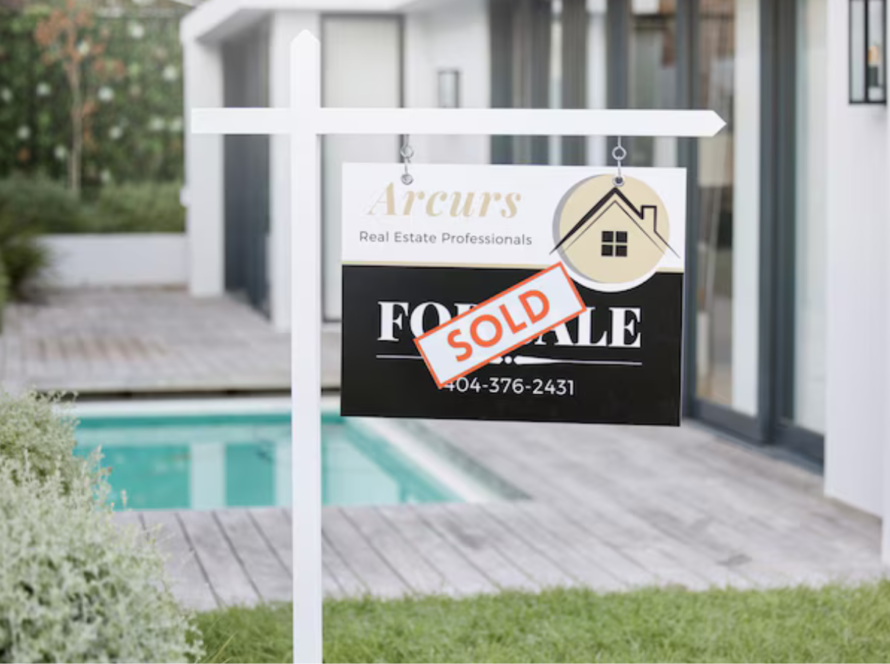
If you’re a Coldwell Banker agent, your signage is doing two jobs at once: marketing the listing and representing a well-known brand. That’s why using Coldwell Banker sign templates (instead of “close enough” designs) matters. Brand-approved templates help you stay consistent with brokerage standards, look more professional in every neighbourhood, and avoid issues that can come from off-brand signage.
Below is a practical guide to Coldwell Banker real estate signs, the most common template types, and how to customize and place them the right way.
Why Brand-Compliant Templates Matter
Brand consistency isn’t just a “marketing thing.” In real estate, consistency builds recognition and trust. When buyers see familiar Coldwell Banker signage on a lawn, at an intersection, or near an open house, it signals an established brokerage presence and helps your listing feel more credible at a glance. Coldwell Banker has even highlighted how sign design and a clean, consistent look contribute to standing out in competitive markets.
What can go wrong with off-brand templates?
- Compliance issues: Many brokerages and franchises require signs to follow specific standards (logo use, layout, colours, typography).
- Brand dilution: Homemade designs often introduce “almost the same” colours, stretched logos, or mismatched fonts, small changes that make the brand look inconsistent.
- Wasted spending: If signage gets flagged internally or needs to be replaced, you lose time and money.
In short, brand-compliant real estate sign templates protect your professionalism and keep you aligned with brokerage expectations.
Coldwell Banker Branding Basics
While exact standards can vary by region, Coldwell Banker provides brand assets and guidance for correct usage (logo, colours, and rules for applying the brand). The safest approach is always to start from official/approved files rather than rebuilding designs from scratch.
Here are the basics to keep in mind when working with Coldwell Banker signage guidelines:
- Logo integrity: Don’t stretch, squeeze, rotate, outline, or add effects to the logo.
- Colour consistency: Stick to approved brand colours (avoid “close blues” that print differently).
- Typography consistency: Use the approved fonts and hierarchy so the sign reads like Coldwell Banker, not a random design.
- Layout discipline: Keep spacing, alignment, and information order consistent across signs (this is a big part of what templates solve).
Common Coldwell Banker Sign Templates
Most agents rotate between a few core sign types. Using templates ensures each format looks intentional and brand-aligned.
1) Coldwell Banker Open House Signs
Designed to drive foot traffic quickly and clearly. These often prioritize:
- Big “OPEN HOUSE”
- Date/time window (when applicable)
- Clean directional cues (if placed nearby)
2) Coldwell Banker Yard Signs
Custom yard signs are your everyday “For Sale / For Lease / Sold” style signs that sit on property and work 24/7. They typically include:
- Brokerage branding as the anchor
- Property status (For Sale, pending, or Sold)
- Optional rider space (agent name/phone)
3) Directional Arrow Templates
Coldwell Banker directional signs are meant to guide drivers from main roads to the property. Keep these simple and highly readable, since too much text defeats the purpose.
4) A-Frame Sign Templates
Great for open houses and busy sidewalks where you want visibility from multiple angles. They’re also easy to reposition if needed.
Approved vendors often provide these categories as ready-to-customize options while keeping brand structure intact.
Customization Rules
Templates usually allow personalization, just within guardrails.
What agents can typically personalize (common examples):
- Agent name
- Phone number
- Website
- Team name (where permitted)
- QR code (if allowed by your brokerage)
What should stay unchanged:
- Logo placement and proportions
- Brand colours
- Core layout structure (especially the branding block)
- Font style choices
If you’re ever unsure, treat the template as “locked” and only edit the fields specifically designed for customization. And when possible, pull files from brand/marketing portals or approved sources rather than third-party marketplaces that may sell lookalike designs.
Placement and Local Rules
Even perfectly branded signs can cause problems if they’re placed incorrectly. Rules vary a lot by city and HOA, but these are the common watchouts:
- Right-of-way restrictions: Many municipalities restrict signs placed on medians, sidewalks, or public easements.
- Directional sign limits: Some areas limit the number and size of directional signs per intersection (for example, some local realtor associations share specific caps in their ordinance summaries).
- HOA rules: HOAs can be stricter than the city; some specify where signs can go, how many, and when they must be removed.
- Timing and removal: Put signs out within allowed time windows and remove them promptly after the open house to avoid complaints and fines. Practical placement guidance also emphasizes visibility, safety, and not blocking sightlines for drivers.
A simple best practice: before you deploy a full set of directional signs, check (1) city rules, (2) HOA rules if applicable, and (3) brokerage policy.
Using Coldwell Banker sign templates keeps your marketing consistent, professional, and aligned with brand expectations, while also making your workflow easier. Instead of reinventing signage every time, you start from a compliant foundation and personalize only what’s permitted.
If you want signage that looks sharp, prints cleanly, and stays on-brand, choose professionally designed Coldwell Banker real estate signs built from approved, brand-compliant templates, so every yard sign, arrow, and open house setup reinforces the Coldwell Banker brand with confidence.