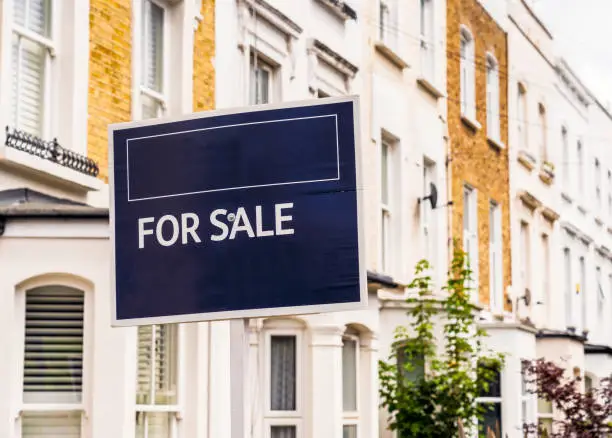
When it comes to real estate, signage is often the first point of contact between agents and potential buyers. But what many may not realize is that the color of the sign plays a crucial role in catching attention and influencing decisions. This blog dives into the psychology of real estate sign colors, understanding how specific hues can build trust, evoke emotions, and ultimately drive more showings.
Let’s explore why color selection is not just about aesthetics but about crafting a persuasive marketing tool that resonates with buyers.
Why Color Matters in Real Estate Marketing
First-Impression Psychology
Humans react to colors almost instinctively. Colors influence emotions, behavior, and decision-making processes. This is especially critical in the world of real estate, where first impressions matter. When a potential buyer spots a sign, it’s not just the words on it that matter; it’s the emotional response triggered by its colors. The right hues can create an instant connection with the buyer, making them more likely to take action.
Visibility vs. Emotion
While visibility is essential in making sure a sign gets noticed, the emotional impact of color is just as important. Colors like red can evoke urgency, while blues foster trust. Understanding how to balance these two factors can help make sure that your signs stand out and leave a lasting impression.
Brand Recognition
Real estate agents and companies often rely on specific colors for brand recognition. Over time, consistent use of a color scheme helps to establish the brand identity in the minds of buyers. For example, brands like Keller Williams or Sotheby’s International Realty use a consistent palette that buyers easily recognize, helping them differentiate their services in a competitive market.
Best Colors for Real Estate Signs & What They Mean
Red: Urgency, Attention (Sales, Open Houses)
Among the hues in the spectrum, red is one of the most striking. It’s often used to evoke urgency or highlight something that’s time-sensitive, such as a property for sale or an open house. Red grabs attention immediately and motivates potential buyers to act quickly, which is why it’s commonly used for signage in these contexts.
Blue: Trust, Professionalism (Luxury, Agents)
Blue is a color that conveys trustworthiness and professionalism. It’s commonly seen in luxury properties or agent branding because it instills confidence in the buyer. Whether you’re a seasoned realtor or promoting a high-end listing, blue communicates dependability and expertise.
Black: Authority, High-End Listings
Black is often associated with luxury and authority. It’s an excellent choice for showcasing high-end or luxury properties, as it communicates sophistication and elegance. Using black in your signage gives a sense of exclusivity and draws in buyers looking for premium real estate.
Green: Calm, Eco-Friendly, Neighborhoods
Green symbolizes calm, nature, and sustainability. It’s the perfect color for properties located in suburban neighborhoods or those marketed as eco-friendly. If you’re listing a property with energy-efficient features or located near parks or green spaces, green will appeal to buyers looking for a serene environment.
Yellow: Visibility, Caution (Directional Signs)
Yellow is one of the most visible colors, making it an excellent choice for directional signage. It catches the eye from a distance and is easy to see, which is why it’s often used for guiding people to an open house or property viewing. While yellow indicates caution, it’s also optimistic and friendly, making it perfect for signage directing potential buyers.
White: Clean, Modern Contrast
White is often used to provide a clean, minimalist look. It’s perfect for high-contrast signage, allowing other colors to pop and grab attention. It symbolizes clarity and simplicity, making it ideal for modern real estate designs that aim to attract a more contemporary buyer.
Choosing the Right Color for Your Market
Residential vs. Luxury Listings
The color of your signage should align with the type of property you’re selling. Residential homes may benefit from calming, welcoming colors like blue or green, while luxury properties may be better suited for black or deep colors that suggest exclusivity.
Urban vs. Suburban Areas
In urban settings, vibrant colors may be more effective due to the competition and the hustle and bustle of city life. Suburban properties, on the other hand, may benefit from more muted tones that convey peace and tranquility.
Daylight vs. Nighttime Visibility
Colors also perform differently depending on lighting conditions. While brighter colors like red or yellow work well during daylight, they may appear harsh under dimmer evening lights. White or blue signs are often more versatile across various lighting situations.
Contrast & Readability Best Practices
When designing real estate signage, ensuring that your sign is not only visually appealing but also legible from a distance is crucial. A well-designed sign should grab attention immediately but also convey important information clearly and quickly.
The Importance of Contrast
Contrast refers to the difference between the background color and the text or elements placed on top of it. Strong contrast is the key to readability, especially when your sign is viewed from a distance. For example, dark text on a light background (such as black text on a white background) creates sharp contrast that makes the message easy to read from afar.
Using light text on a light background or dark text on a dark background can lead to low visibility and readability, which may result in your sign being overlooked. The goal is to ensure that potential buyers can instantly read the sign without straining their eyes.
Avoiding Poor Color Combinations
Certain color combinations can cause text to blend into the background, making it difficult for the viewer to read. For example, red text on a green background may seem vibrant, but the two colors are too similar in value and can cause eye strain. Similarly, neon colors or similar tones used for both text and background can reduce the contrast, leading to a sign that looks busy or hard to decipher.
Some of the best color pairings for signs include:
- Black on white for maximum contrast and clarity.
- White on blue for a professional, clean look that’s still easy to read.
- Dark green on light cream for a natural, calming effect with excellent readability.
These pairings help guide the viewer’s eye naturally to the important details on the sign, making it much more effective.
Font Size & Pairing
Font size plays a significant role in how legible your sign is, especially from a distance. It’s essential to choose large fonts that can be read from far away, but without overcrowding the sign with too much text. Pairing fonts also affects contrast. Avoid using too many different fonts in one design, as it can create visual chaos. Stick to one or two fonts for consistency and readability, with different weights (bold for headings and lighter fonts for additional details).
Branding vs. Attention-Grabbing Colors
While creating a visually appealing sign is important, it is equally essential to ensure that the sign is effective in reaching potential buyers. The colors you use on your real estate sign play a major role in not only reinforcing your branding but also attracting attention from passersby and potential clients.
Maintaining Brand Consistency
For real estate agents and companies, color consistency is key for brand recognition. Established companies often have specific color schemes tied to their branding that buyers can easily recognize. For example, the use of red and white in Keller Williams or blue and white in Coldwell Banker is immediately identifiable by most consumers. Incorporating your brand colors into your signage reinforces your company’s identity and makes your signs consistent with other marketing materials.
However, there’s a balance to be struck. While maintaining your brand’s color scheme is important, it shouldn’t come at the expense of visibility. If your branded colors are muted or hard to distinguish from the surroundings, your sign might not stand out enough to attract attention.
When to Prioritize Visibility Over Branding
In some situations, prioritizing visibility over strict brand color adherence can make your sign more effective. For example, if you’re hosting an open house in a busy, high-traffic area, you want your sign to immediately catch the eye of people walking or driving by. Bright colors such as yellow or orange can make your sign highly visible and easily noticeable from a distance. These colors may not align perfectly with your brand colors, but they’ll grab attention more effectively in the short term.
If your sign’s purpose is to generate immediate interest in a high-priority listing, it’s okay to use a more attention-grabbing color even if it’s not part of your usual branding palette. Once you’ve drawn in potential buyers, you can reinforce your brand identity through other elements of your marketing, such as business cards, website, or digital advertisements.
In more relaxed or long-term listings, like a luxury home where the emphasis is on sophistication and professionalism, you may want to lean more heavily on your brand colors to give the sign a refined, cohesive feel. But in high-traffic areas or with limited-time sales, the goal is to make the sign as visible and compelling as possible, even if that means temporarily straying from the brand’s usual color scheme.
Common Color Mistakes Realtors Make
- Too Many Colors
Overloading a real estate sign with multiple colors can make it chaotic and difficult to read. Stick to two or three colors to keep the design clean and effective. - Low-Contrast Designs
Using low-contrast combinations, like pastel text on a light background, can render your sign unreadable. Always prioritize high contrast for readability. - Ignoring Local Surroundings
Pay attention to the surroundings of the property and how the color of your sign may blend into the background. For example, a bright green sign in a lush, green neighborhood may not stand out.
The color of your real estate signage can make or break the effectiveness of your marketing strategy. By choosing the right colors based on psychology, you can create signs that not only attract attention but also resonate with potential buyers’ emotions and needs. Always match your color choices to the property’s characteristics, market segment, and local context. Test and refine your color choices to find what works best in attracting your ideal clientele. Design real estate signs that attract and convert buyers.